Rivers have long been a recurring theme in American literature. Given that rivers have played such a large role in the development of the United States, it’s not surprising that they occupy space in our literary imagination. Rivers meant freedom and transportation, but could also be treacherous to those who lived near them and traveled on them. Mark Twain is perhaps the most famous American author who has written about life on a river, but this theme continues in more modern literature as well. Both “Once Upon a River” by Bonnie Jo Campbell and “Edge of Dark Water” by Joe R. Lansdale are recent novels that explore the possibilities and danger of the river, with heroines who harken back to the adventurous spirit of Huck Finn.
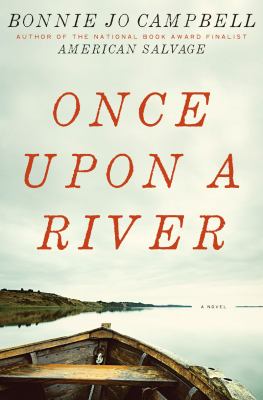 In “Once Upon a River”, sixteen-year-old Margo Crane has grown up along the Stark River in rural Michigan. She lives a rather isolated life with her father, not far from her extended family. When her father is killed and family turmoil breaks out, Margo takes to the river in the rowboat her grandfather left her. Her plan is to track down her mother, who abandoned the family years before. The river is where Margo feels safe and at home, but she is young and vulnerable and the river, and the people encountered on it, can be very dangerous. Thankfully she has a deep knowledge of the river and some other key strengths, namely her shooting skills, to draw upon. Despite the fact that she is a teenager in the 1970s, her hero is Annie Oakley and Margo is teaching herself to be a sharpshooter. Her journey through the backwoods of Michigan takes her through the paths of many eccentric characters living outside the mainstream, people living off the grid either by choice or because of poverty and circumstance. While in many ways an epic adventure, Once Upon a River is also a poignant character study of a strange and willful young woman seeking a way to live the kind of life she wants outside the trappings of society.
“Edge of Dark Water” has another young woman taking to the river to escape a bad situation. It all starts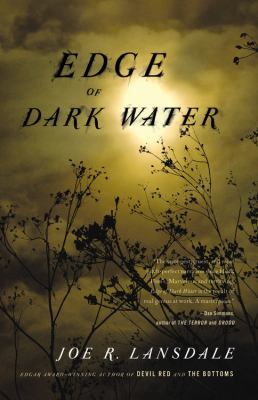 the day Sue Ellen finds the body of her friend May Lynn in the river near her house. May Lynn had been murdered and her body left in the river, weighed down by an old sewing machine. May Lynn had always dreamed of leaving her river shack for the bright lights of Hollywood, and Sue Ellen and her friends Terry and Jinx decide to take her there. There’s nothing for them where they are anyway, as Sue Ellen has to dodge her drunken father on a daily basis, Terry is an outcast in town for being considered a “sissy boy”, and Jinx chafes at the harsh racism of 1930s Texas. Soon they are on a wild ride down the river on an old raft with May Lynn’s ashes in a jar, some stolen money, and a few extra passengers. In pursuit of them (and the money) are the corrupt local lawman, Sue Ellen’s father, and a crazed killer known as Skunk that until recently Sue Ellen thought was just a story. On top of their pursuers, they have the river itself to contend with, with its hidden snakes, currents, and whirlpools. Like Margo, the group encounters many strange people along the way, only some of whom can be trusted to help. Edge of Dark Water is a dark and atmospheric journey, bringing to mind not just the work of Mark Twain but also the modern horror style of Stephen King.
Both Margo and Sue Ellen, like Huck and many others before them, see the river as the natural escape route from difficult lives, a powerful avenue leading to new possibilities. The river is a challenging force of nature, though, demanding more from them than they bargained for and ultimately helping them forge their own paths into adulthood.
 Rogue Readers' Advisory